
BINA logo
  • About
    • Mission & History
    • Executive Board
    • Partners
    • Sponsors
    • Membership Benefits
    • Working Groups
  • Activities
    • BINA Events
    • Community Events
    • BINA Programs
    • Community Congress
    • Image Contests
    • Awards
  • Programs
    • Outreach Support
    • ATLAS
    • Metrology Suitcase
    • Event Support Program
  • Core Facilities
  • Resources
    • BINA Resources
    • Community Resources
    • Training & Education
    • Jobs
    • Tools
  • Join

Scientific Speaker Series 2025

Featured below are the presenters in the BINA Scientific Speaker series for 2025 – click on their photos to learn more about each speaker’s presentation.

Follow this link to register to attend any of the talks in the series.  Visit the Scientific Speaker Series YouTube playlist to see past presentations.

Click here to see the 2024 speakers!
Click here to see the 2023 speakers!

Katiannah Moise – February 11
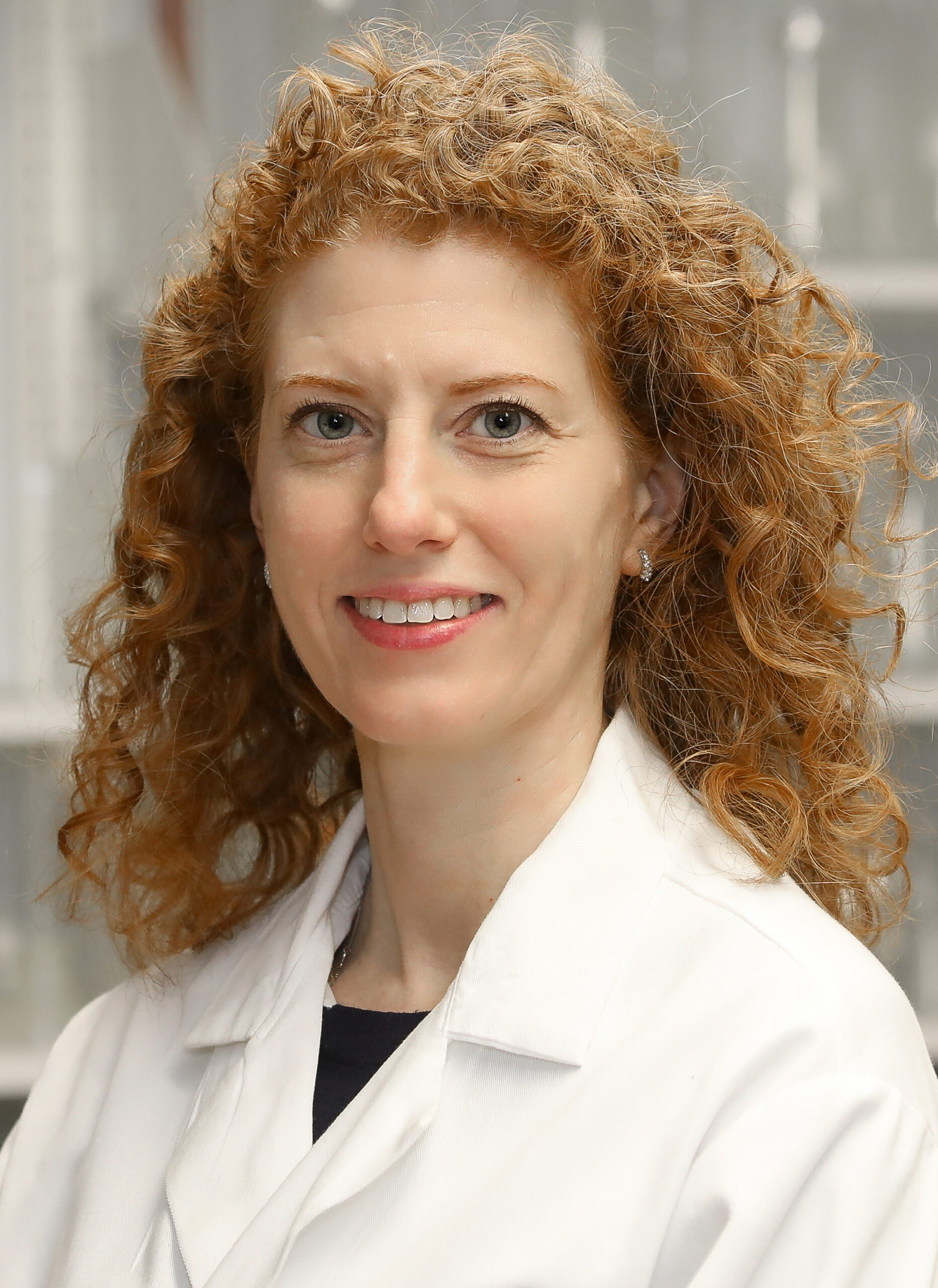
Constadina Arvanitis – March 11

Christina Baer – March 11

Claire Brown – March 11

Valeria Piazza – March 11

Prachee Avasthi – March 25
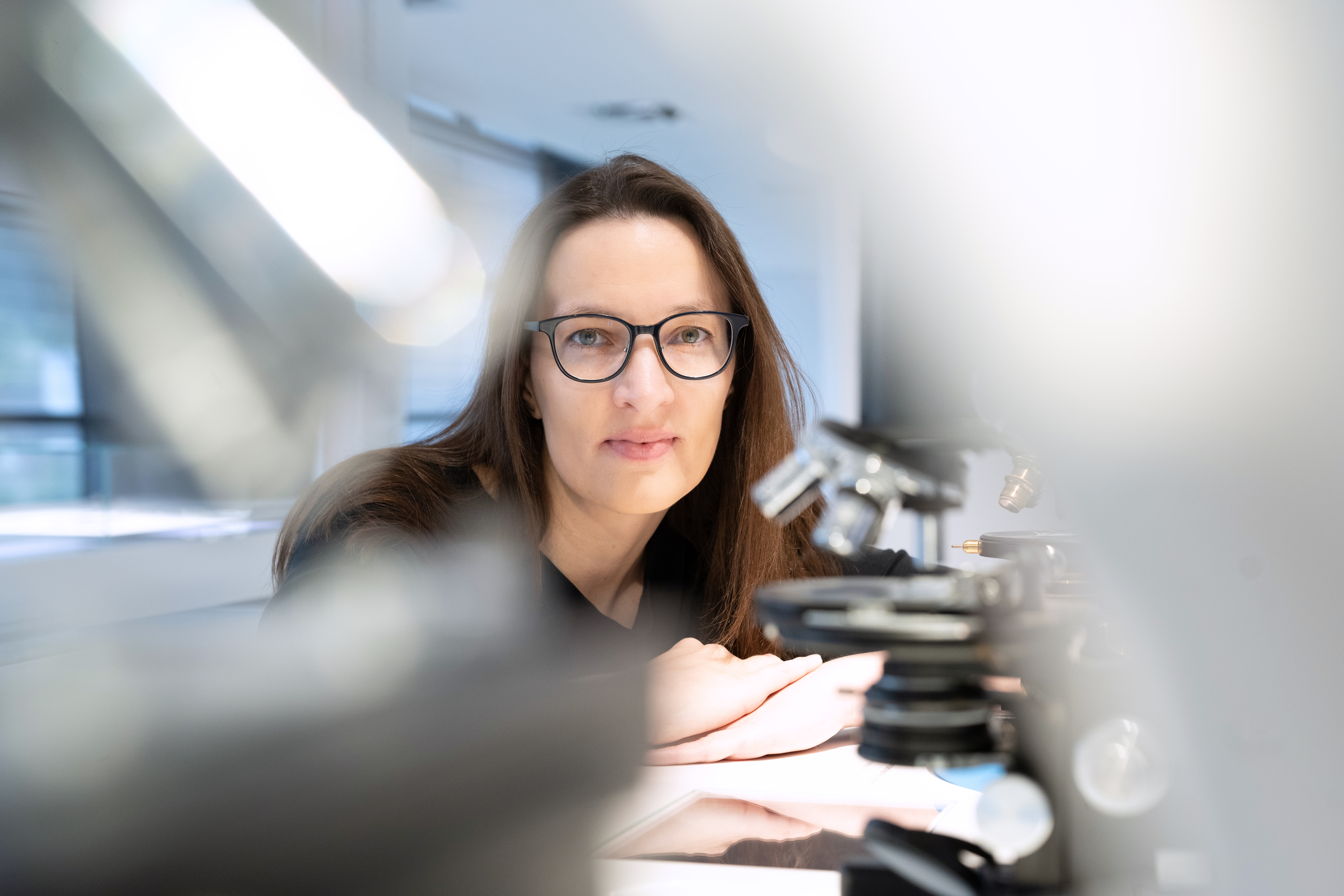
Ulrike Boehm – March 25

Beth Cimini – March 25
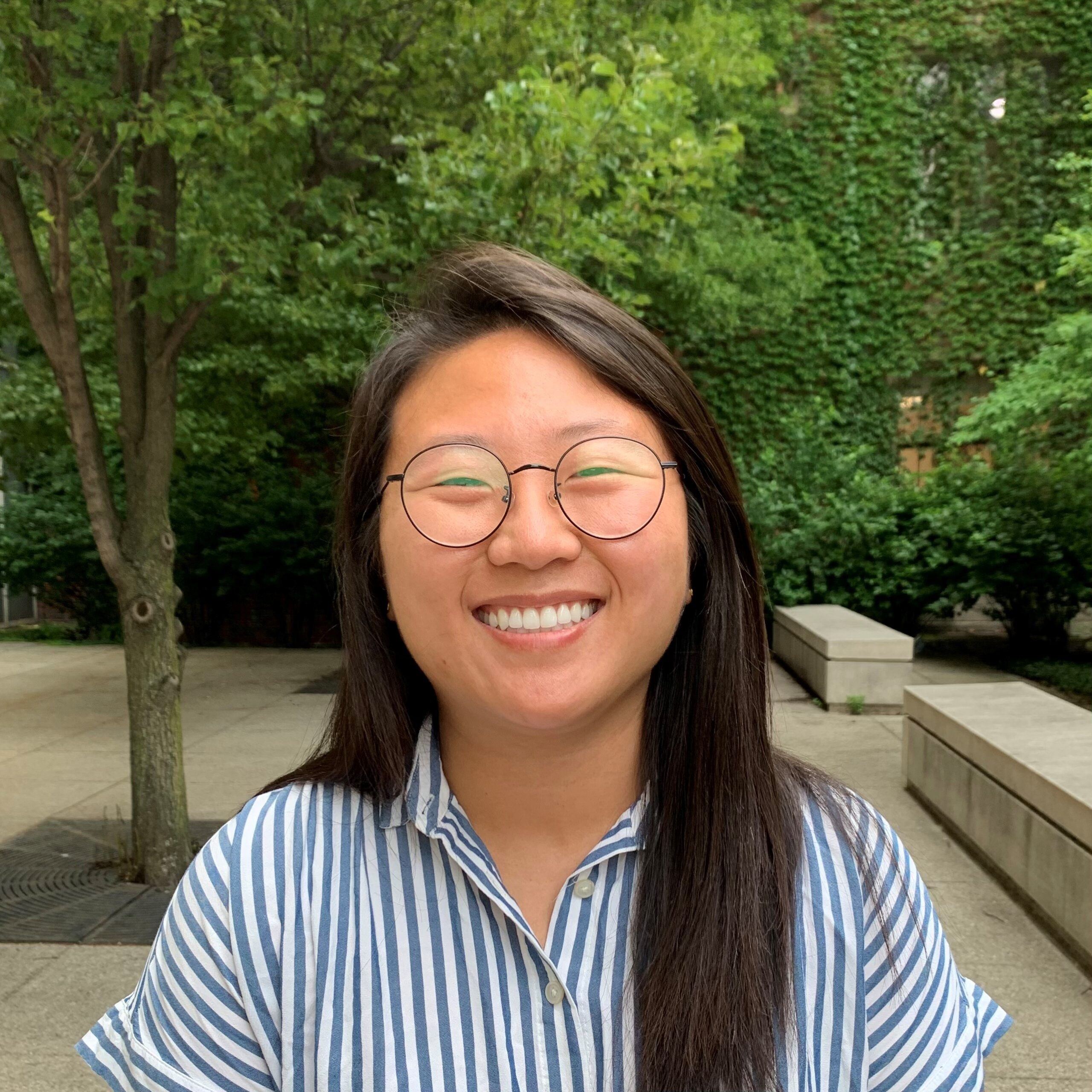
Quinn Lee – March 25

Rita Strack – March 25

Abhishek Kumar – April 15
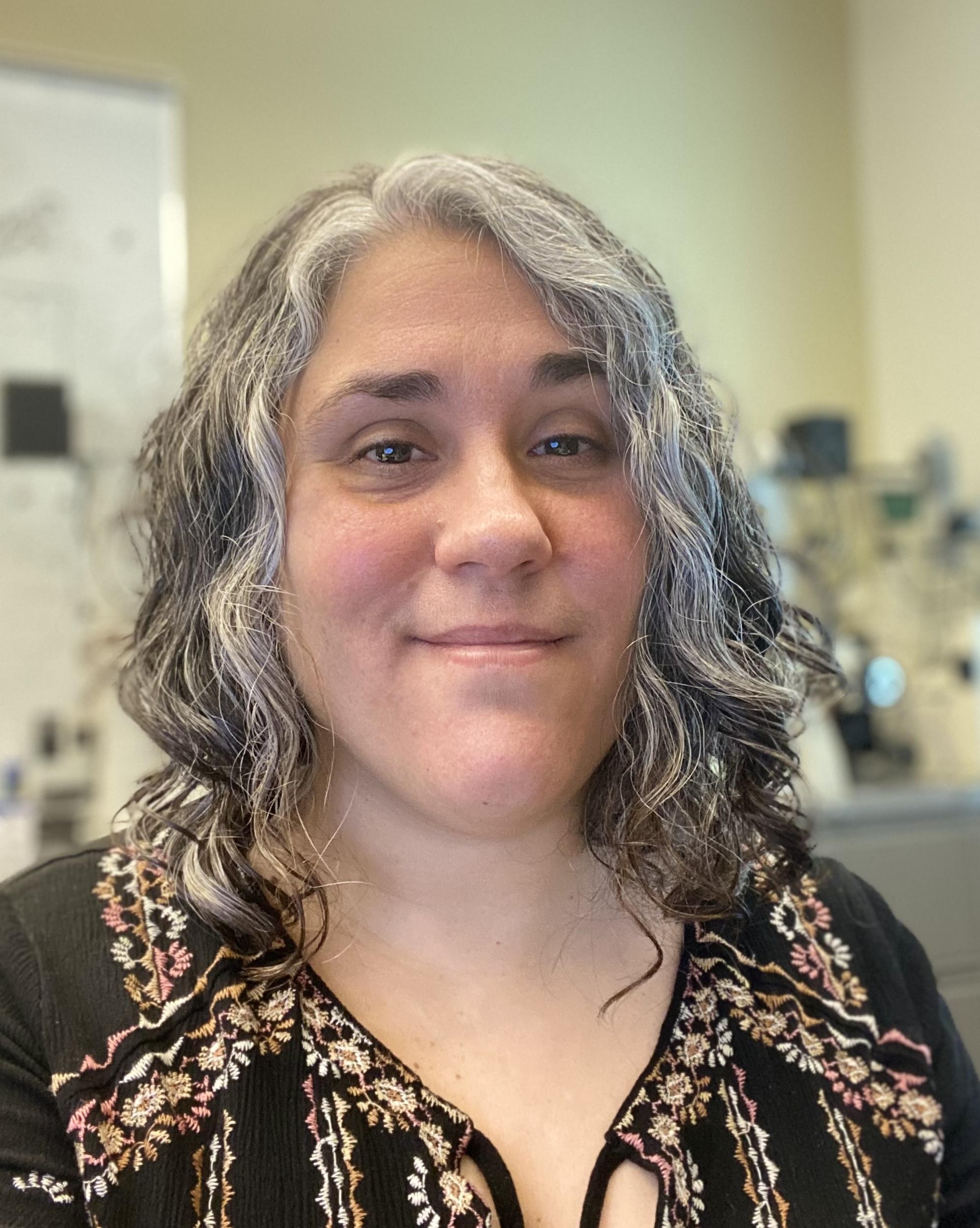
Paula Montero Llopis – April 15
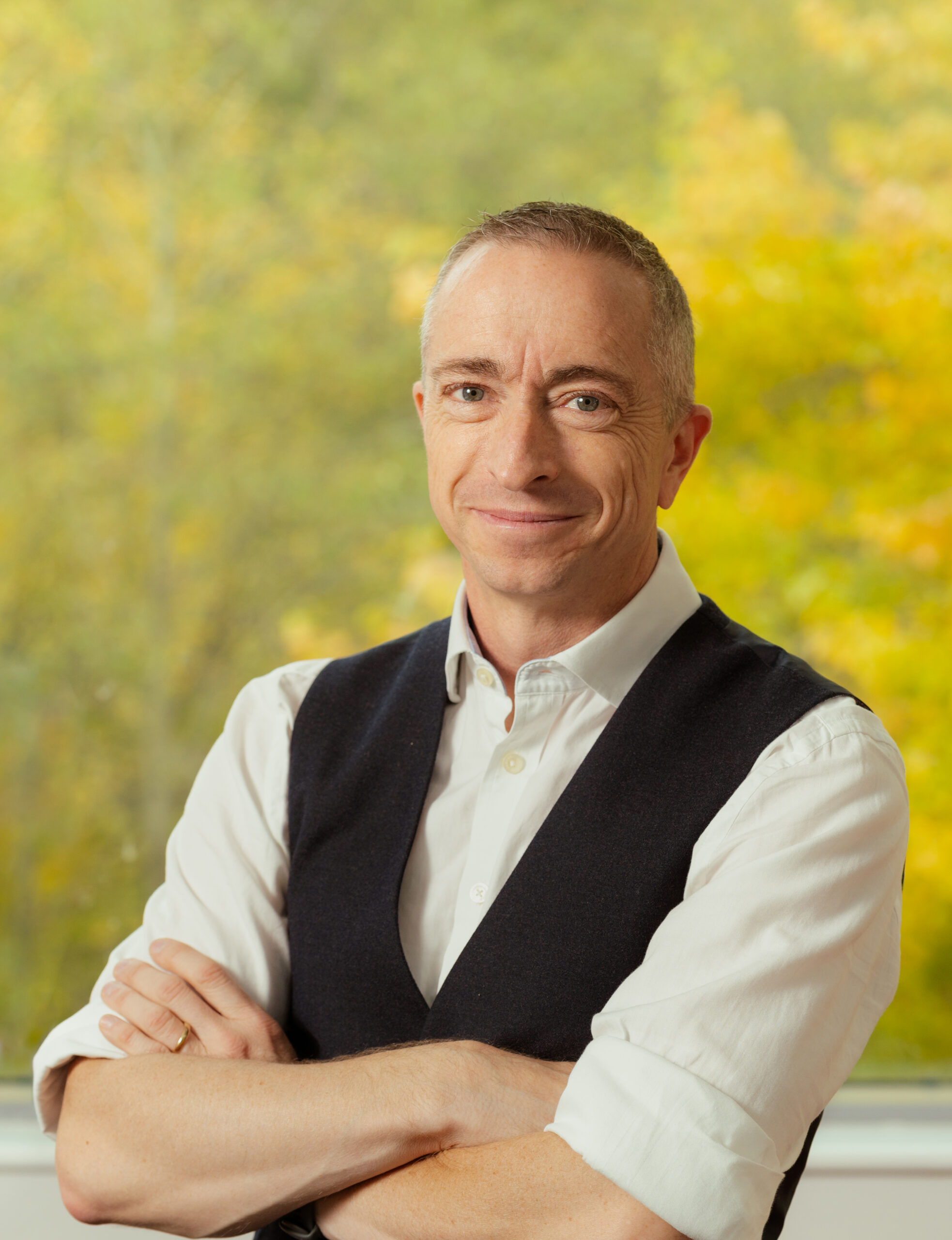
Peter O’Toole – April 15

Wendy Salmon – April 15
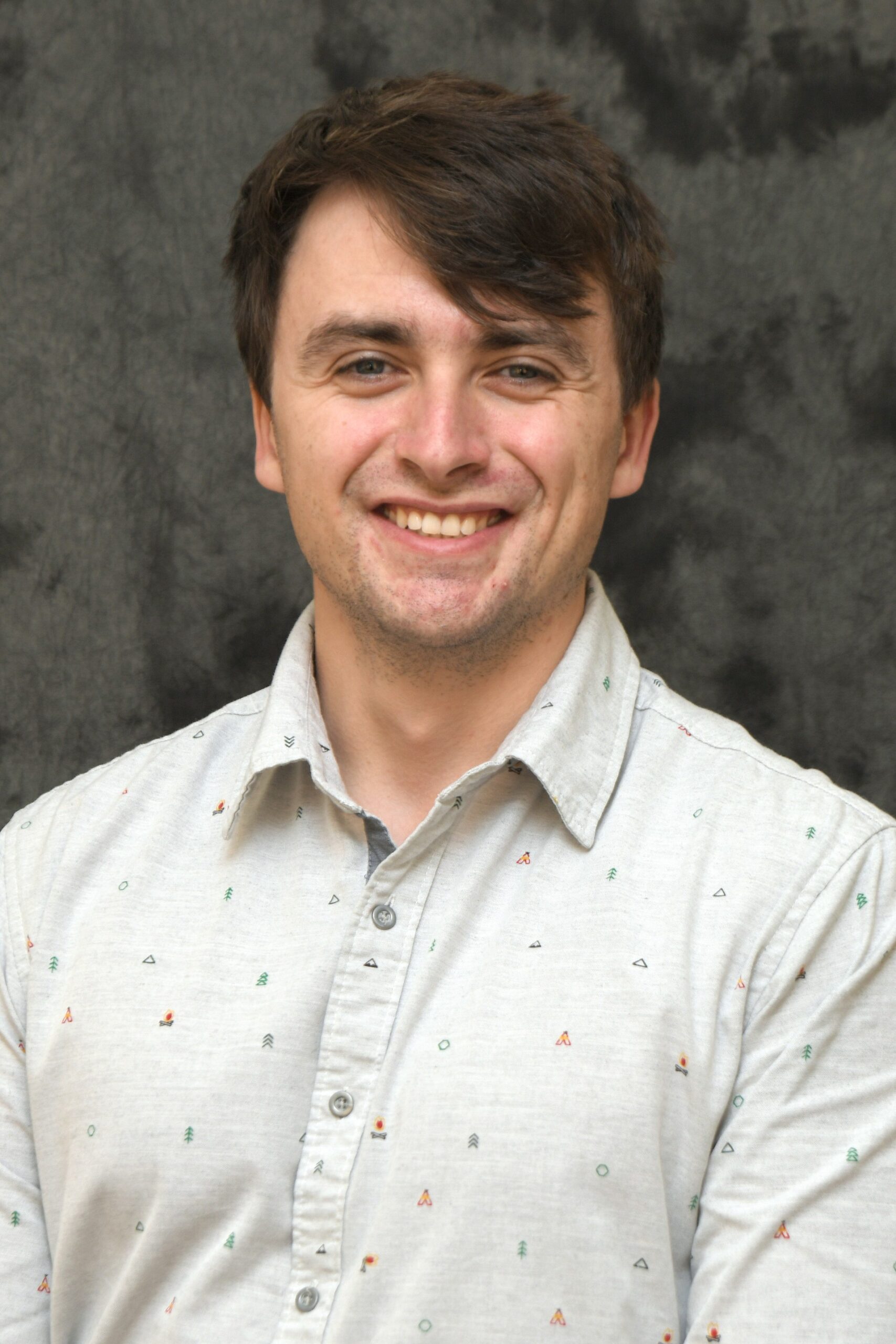
Andy Stone – April 15

May 13 – Nhu Trieu
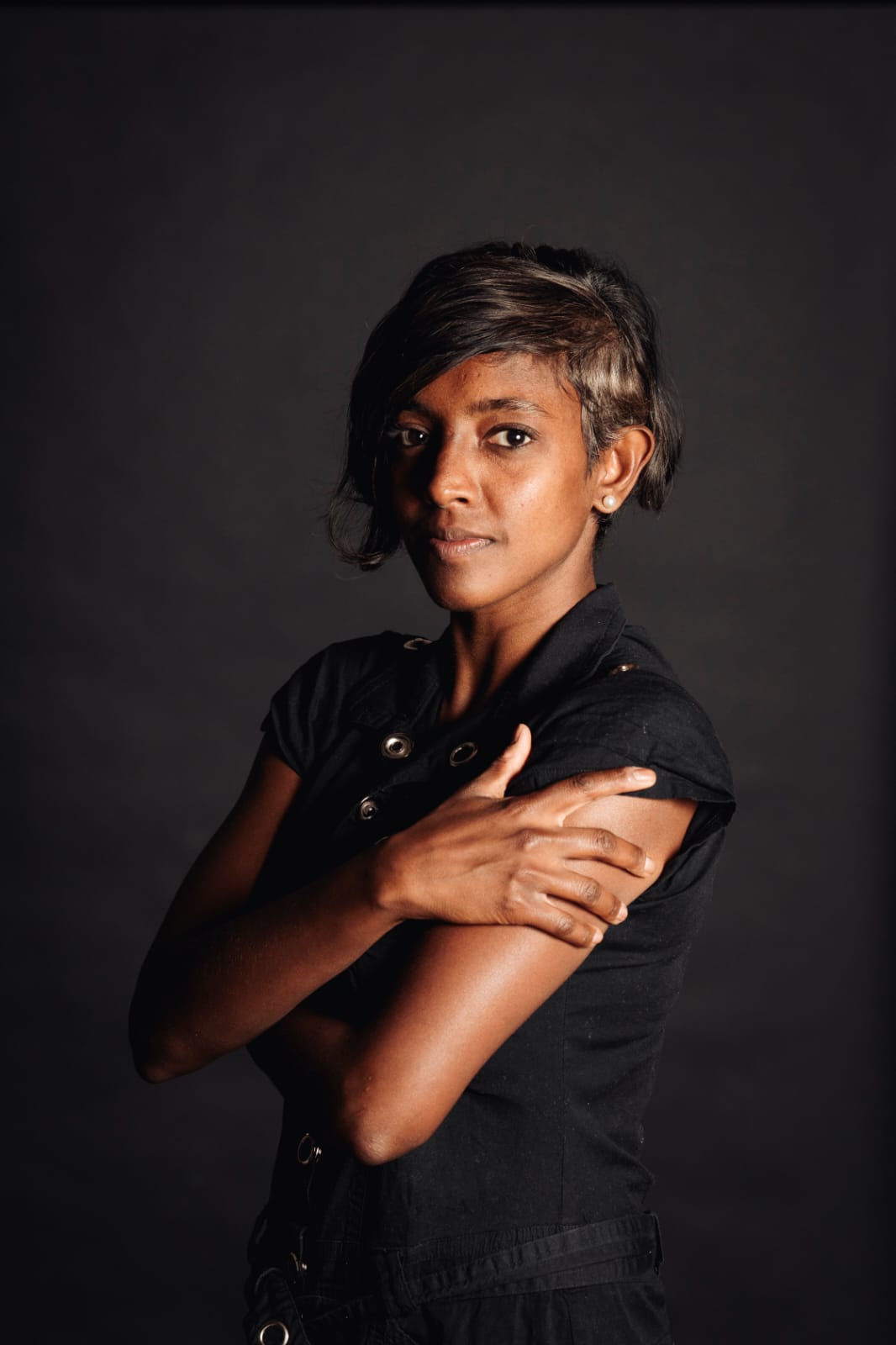
May 20 – Vani Rajendran
May 27 – Aussie Suzuki

Katiannah Moise – February 11

Katiannah Moise, Ph.D.
Northwestern University

LinkedIn
ORCiD

Watch on YouTube!

Presentation Title: Proper Endothelial Cell Responses to Shear Stress Require Acetylation of Microtubules

Abstract:
Endothelial cells are constantly subjected to mechanical forces, especially shear stress, by virtue of their direct contact with blood flow. In order to adapt to these hemodynamic forces, endothelial cells remodel their cytoskeleton which includes changes in actin, intermediate filaments, and microtubules. In response to flow, endothelial cells exhibit two distinct responses: elongation in cell shape and realignment of cell body orientation parallel to the direction of flow. Deviation from these responses have been documented in many vascular diseases and a sign of endothelial dysfunctionWhile much is known about the effect of shear stress on the endothelial actin cytoskeleton, the impact of hemodynamic forces on the microtubule network has not been investigated in depth. Microtubules play a key role in maintaining cell shape and there are a host of proteins that regulate microtubule stability and filament length. In this talk, I will discuss how functional microtubule dynamics are vital for endothelial cells to properly respond to fluid shear stress. In addition, I discuss how post-translational modifications (PTMs) of microtubules, which regulate microtubule stability, play an important role in regulating when and how endothelial cells respond to shear stress. Using pharmacological and genetic methods to induce perturbations to microtubule properties, I show that alterations in microtubule dynamic instability block endothelial elongation and alignment. Moreover, altering the levels of microtubule acetylation– key PTM found to increase in expression as endothelial cells elongate in response to flow–results in similar impairment in cell shape and alignment. This talk explores the role of microtubule acetylation in endothelial mechanotransduction and uncovers essential roles for molecular regulators of acetylation in regulating endothelial function.

Constadina Arvanitis – March 11

Constadina Arvanitis, PhD
Northwestern University
Member of Training an&d Education Working Group

Northwestern Faculty Page

Bio:
Constadina (Dina) Arvanitis is the Director for the Center of Advanced Microscopy (CAM) which is home to one of two Nikon Imaging Centers in the US. CAM is the microscopy hub for Northwestern University’s Feinberg School of Medicine and supports both light and electron microscopy as well as image analysis across the whole range of spatial scales from whole organisms to single molecules. She received her BS in Biology from Loyola University and then went on to obtain her MS in Biological Sciences and PhD in Chemical and Systems Biology from Stanford University. Her postdoctoral work was carried out at Northwestern University. Both her graduate and postdoctoral work (supported by a fellowship from St. Baldrick’s Foundation) focused on cancer research, where she leveraged a large variety of imaging techniques forming the foundation of her microscopy experience. At the completion of her training she became part of CAM staff as the Manager of the Nikon Imaging Center in 2014 and then Director of CAM in 2019. She is dedicated to user education and an active member of BINA’s Training and Education workgroup and GBI’s Career Paths and Training and Education workgroups.

Christina Baer – March 11

Christina Baer, PhD
Co-Chair of Training & Education Working Group

Training & Education Working Group

Claire Brown – March 11

Claire Brown
McGill University
Co-Chair of BioImaging North America Executive Board

McGill University Facility

Bio:
Claire M. Brown, PhD is a leader in advanced bioimaging, pioneering Canada’s leading optical imaging platform, as director of the Advanced BioImaging Facility (ABIF) and a professor in the Department of Physiology at McGill University. Her research leverages cutting-edge biophysical techniques to investigate the molecular mechanisms regulating cell adhesion and migration in both healthy and diseased cellular systems. She has played a pivotal role in optimizing live imaging conditions and establishing community-driven quality control standards for live cell and quantitative light microscopy. Her exemplary leadership has been crucial in building the global bioimaging community as co-founder of Canada BioImaging (CBI), the Canadian Network of Scientific Platforms (CNSP), and BioImaging North America (BINA), where she promotes sustainability and collaboration across the bioimaging field and empowers imaging scientists while advancing initiatives focused on technology training, education, and professional development. As Co-Chair of Global BioImaging (GBI), she fosters international collaboration and has been instrumental in developing international recommendations, positioning her as a respected global leader.

Valeria Piazza – March 11

Valeria Piazza, PhD
CIO, Centro de Investigaciones en Óptica, A.C.

LinkedIn
ORCiD

Valeria graduated in Molecular Biology from the University of Padova, with a thesis conducted at the Oncological Reference Center of Aviano, Italy. She then obtained her PhD in Biochemistry and Biophysics at the Venetian Institute of Molecular Medicine, University of Padova, Italy, where she worked on inner ear physiology and calcium imaging. Her postdoctoral research projects were carried out at Harvard Medical School, Boston, USA (supported by the HHMI), and at the University of Göttingen, Germany, as an Alexander von Humboldt Fellow. During her postdoctoral training, her focus shifted to the study of the fine anatomy, physiology, and metabolism of the inner ear through pioneering techniques, such as Multi-Isotope Imaging Mass Spectrometry and X-ray Diffraction Imaging. Since 2015, she has been active as a professor, researcher, and science communicator at the Center for Research in Optics (CIO) in León, Mexico, where she leads the Biophotonics Research Group. Her current work centers on understanding the molecular mechanisms of a newly described neurodegenerative disease using a highly transdisciplinary approach, driven by a youthful enthusiasm for basic science

Prachee Avasthi – March 25

Prachee Avasthi, PhD
Arcadia Science

Arcadia Science

Prachee Avasthi, PhD, is the co-founder and Chief Scientific Officer of Arcadia Science, a company focused on transforming evolutionary innovations into practical solutions. At Arcadia Science, she leads efforts to develop more efficient, replicable, and sustainable methods for leveraging the biology of diverse organisms.

Before co-founding Arcadia, Prachee served as an Associate Professor of Biochemistry and Cell Biology at the Geisel School of Medicine at Dartmouth College. With a PhD in Neuroscience, her academic research lab focused on studying the regulation of the cilium—the ubiquitous cellular antenna—using green algae as a model system. Her work in this area earned her the American Society for Cell Biology Junior Award for Excellence in Research.

In addition to her scientific contributions, Prachee is a strong advocate for open science. She has served as a director or advisor to several organizations working to improve scientific publishing practices. At the Astera Institute, she leads open science initiatives and is focused on developing solutions for the future of research communication.

Ulrike Boehm – March 25

Ulrike Boehm
Carl Zeiss AG

Personal Website

Ulrike is a Physicist with over 15 years of experience in advanced optical systems development. She earned her Physics degree from the Technical University of Munich and completed her Diploma at the Max Planck Institute of Biochemistry, focusing on correlative cryo-FM/EM microscopy. Her Ph.D. focused on superresolution microscopy at the Max Planck Institute for Biophysical Chemistry. After a postdoc at NIH/NCI, she worked at HHMI Janelia Research Campus, developing optical systems. Since 2022, she has been an R&D Scientist at Carl Zeiss AG.

Beth Cimini – March 25

Beth Cimini
Broad Institute of MIT and Harvard

Broad Institute

Quinn Lee – March 25

Quinn Lee, PhD
University of Texas at Austin
Co-chair of Early Career Working Group

Bluesky

Quinn completed her PhD at the University of Illinois at Chicago, where she investigated cellular mechanisms in endothelial biology. During her studies she discovered a passion for microscopy and education, leading her to pursue a career in core facility management where she can support others in bringing out the best in their research. To this end, she recently joined the Microscopy and Flow Cytometry core facility at the University of Texas at Austin as a Light Microscopy Specialist.

Rita Strack – March 25

Rita Strack, PhD
Nature Methods

Editor Page

Bio:
Rita Strack obtained her Ph.D. in Biochemistry and Molecular Biology from the University of Chicago. While there, she worked with Benjamin Glick and Robert Keenan to engineer improved variants of the red fluorescent protein DsRed, and also studied the chemical mechanism of chromophore formation in DsRed. She continued her research as a postdoctoral fellow in Samie Jaffrey’s laboratory at Weill Cornell Medical College, where she developed fluorescent reporters for live-cell imaging of RNA such as Spinach2. She handles imaging, microscopy and probes, along with protein and RNA biochemistry content for the journal. Rita joined Nature Methods in November 2014.

Abhishek Kumar – April 15

Abhishek Kumar
Assistant Professor of Cell and Regenerative Biology
University of Wisconsin-Madison

LinkedIn

Paula Montero Llopis – April 15

Paula Montero Llopis
MicRoN Core Director
Harvard Medical School, Boston, MA

LinkedIn

Peter O’Toole – April 15

Peter O’Toole
Director of the Bioscience Technology Facility
President Royal Microscopical Society
University of York, UK

LinkedIn

Wendy Salmon – April 15

Wendy Salmon
Director, Hooker Imaging Core
University of North Carolina at Chapel Hill, Chapel Hill, NC USA

LinkedIn

Andy Stone – April 15

Dr. Andy Stone
Brandeis University, Boston, USA

LinkedIn

May 13 – Nhu Trieu

Nhu Trieu

LinkedIn

Bio:
Hiya! Thanks for taking the time to read my bio to the end and deciding whether my story should take up an hour of your day!

As a biological generalist without a specialization in a particular type of microscopy, every day is a new adventure through my work at the Microscopy and Microanalysis Facility (MMF) at the University of New Brunswick. I do histology, cryosectioning, confocal, scanning electron microscopy, and transmission electron microscopy for everything from individual cells to invertebrates to vertebrates. This work ranges from consulting on projects, to training students and scientists alike, to full service from sample preparation to final image.

My journey to where I am now was a bit untraditional. My parents are immigrants. English is my second language. I am the first in my immediate family to go to university. I am neurodivergent. I am also currently pursuing my master’s degree part-time. I hope that you’ll join me as I share my work and my passions with you.

I am thankful for the opportunities given to me through the Canadian Federation of University Women – Fredericton (CFUW), the Microscopy Society of Canada (MSC), the Canadian Network of Scientific Platforms (CNSP), Janelia, and BINA through the professional development fund supported by the Chan Zuckerberg Initiative (CZI). I am thankful for the opportunity to give back through being a council member at large with the MSC, the Eastern Canadian representative with the CNSP, and the Canadian board intern with BINA.

May 20 – Vani Rajendran

Vani Rajendran, Investigadora Titular A
Institute of Cellular Physiology
National Autonomous University of Mexico (UNAM)

LinkedIn

Bio:
Vani studied bioengineering and economics at Rice University in the United States and later completed her Masters and PhD in Neuroscience from the University of Oxford, UK. Following short postdocs in Hong Kong, Paris, Frankfurt, and Querétaro (Mexico), she was hired in August 2024 as Investigadora Titular A at the Instituto de Fisiología Celular at the UNAM in Mexico City. Her research focuses on how the auditory system in the brain contributes to the perception of beat in music and other types of sounds. Besides her career as a researcher, she is also a clarinetist and has performed in orchestras and chamber music projects around the world.

May 27 – Aussie Suzuki

Aussie Suzuki
Assistant Professor, McArdle Laboratory for Cancer Research
Department of Oncology, School of Medicine and Public Health, University of Wisconsin-Madison

Molecular and Cellular Pharmacology Training Program

Presentation Title: Observing is Believing: Exploring Cellular Architecture with Microscopy

We use cookies on the Bioimaging North America site. See our privacy policy for details.

BINA logo
instagram icon linkedin icon youtube icon slack icon
RRID: SCR_024409
  • About
    • Mission & History
    • Executive Board
    • Partners
    • Sponsors
    • Membership Benefits
    • Working Groups
  • Activities
    • BINA Events
    • Community Events
    • BINA Programs
    • Community Congress
    • Image Contests
    • Awards
  • Programs
    • Outreach Support
    • ATLAS
    • Metrology Suitcase
    • Event Support Program
  • Core Facilities
    • View Core Facilities
    • Submit a Facility
  • Resources
    • BINA Resources
    • Community Resources
    • Training & Education
    • Jobs
    • Tools

© BioImaging North America. All Rights Reserved. Privacy Policy | Terms | Contact us.

This project has been made possible in part by a grant from the Chan Zuckerberg Initiative DAF, an advised fund of Silicon Valley Community Foundation.

Chan Zuckerberg Initiative logo