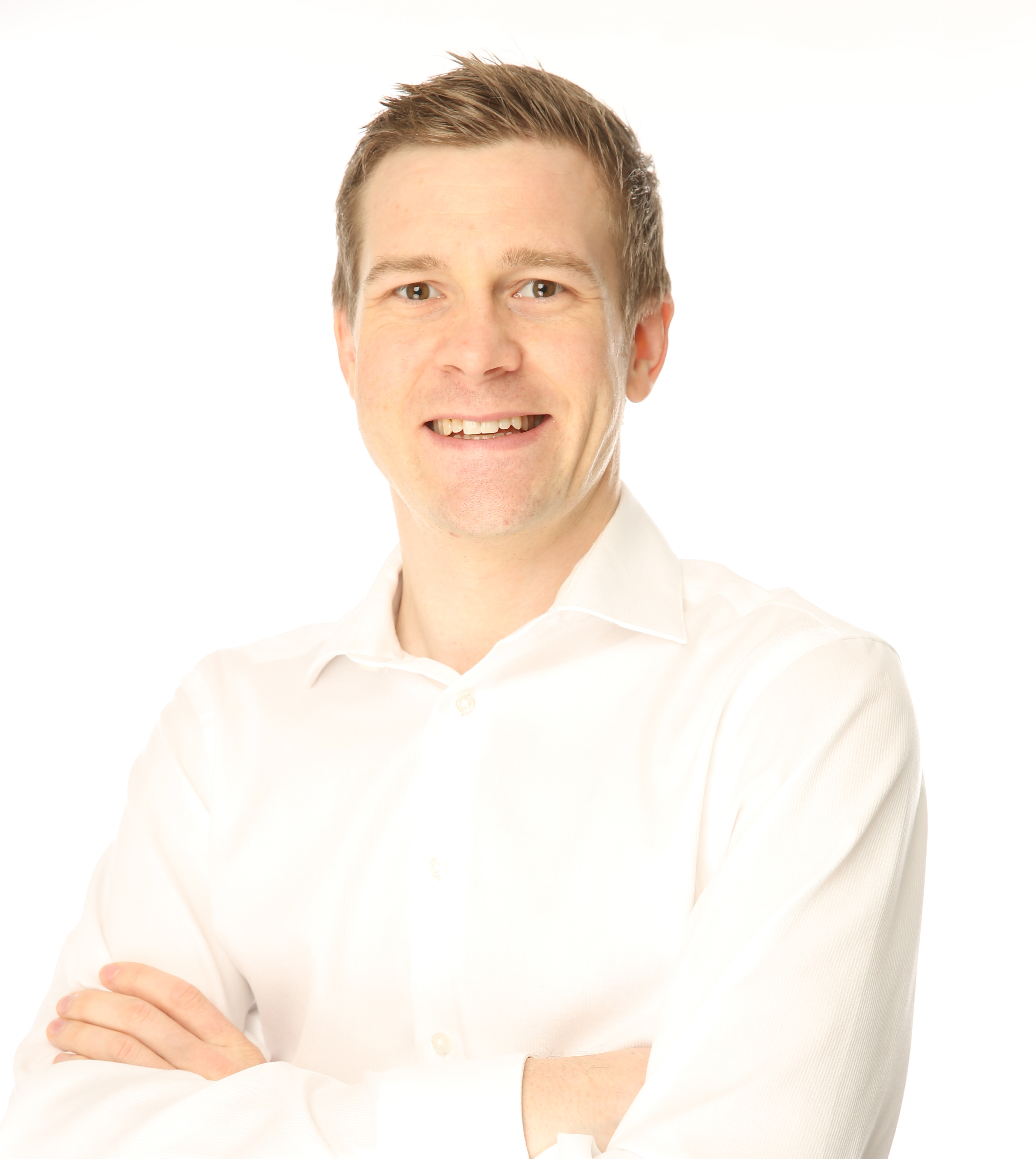
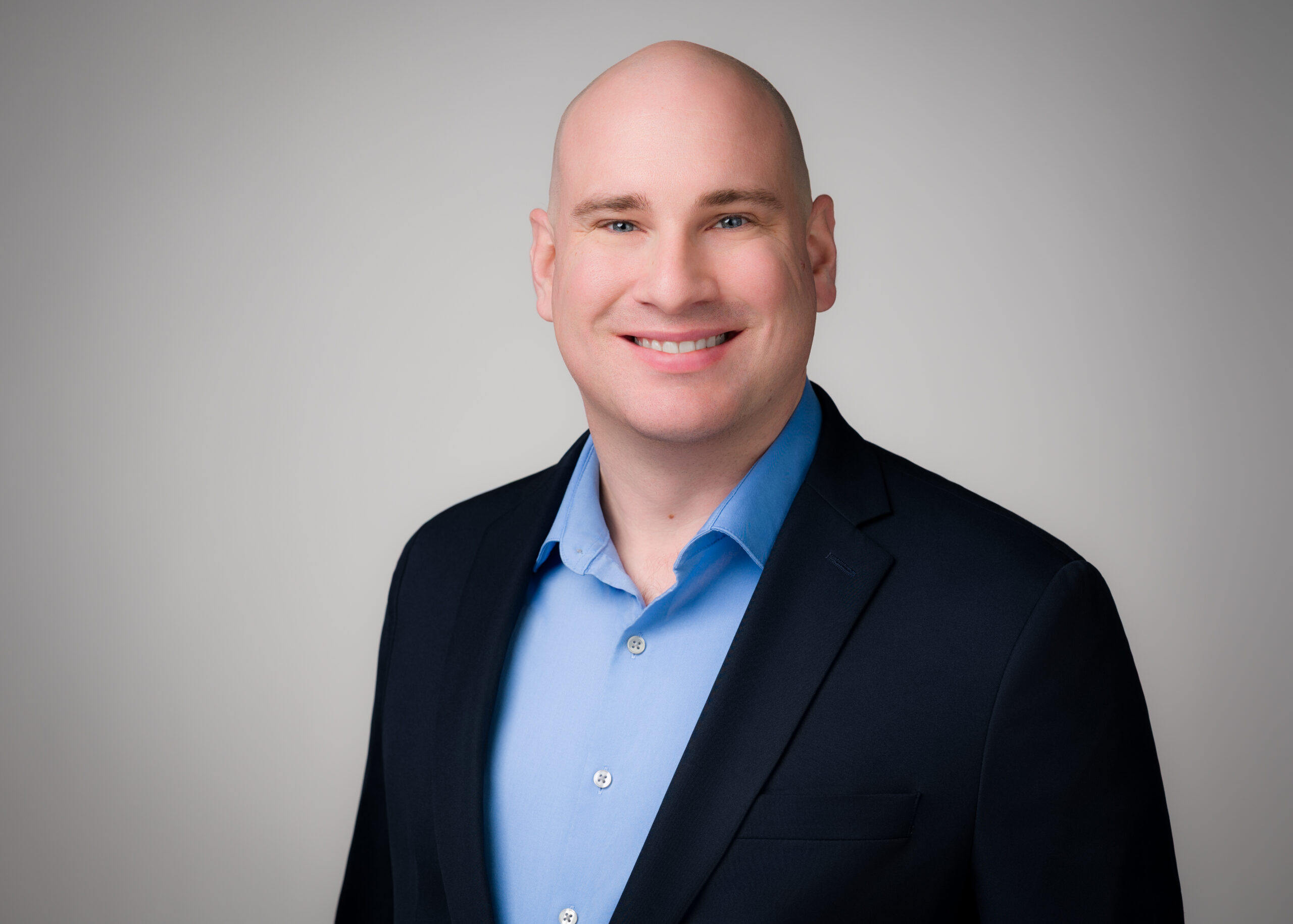
BINA logo
  • About
    • Mission & History
    • Executive Board
    • Partners
    • Sponsors
    • Membership Benefits
    • Working Groups
  • Activities
    • BINA Events
    • Community Events
    • BINA Programs
    • Community Congress
    • Image Contests
    • Awards
  • Programs
    • Outreach Support
    • ATLAS
    • Metrology Suitcase
    • Event Support Program
  • Core Facilities
  • Resources
    • BINA Resources
    • Community Resources
    • Training & Education
    • Jobs
    • Tools
  • Join

Insights and Educational Tools from Industry Series

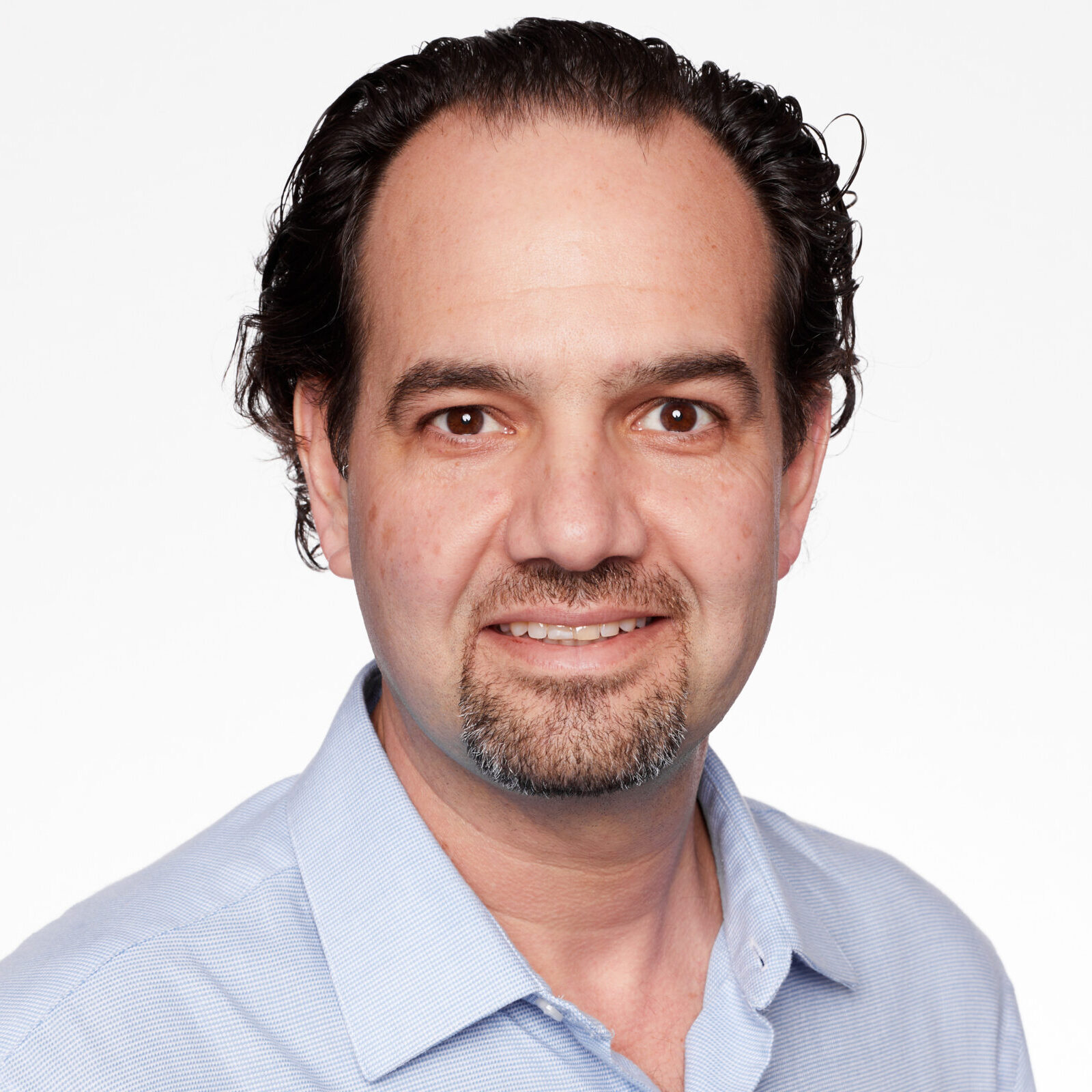
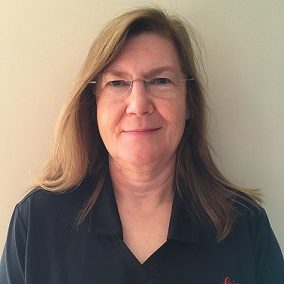
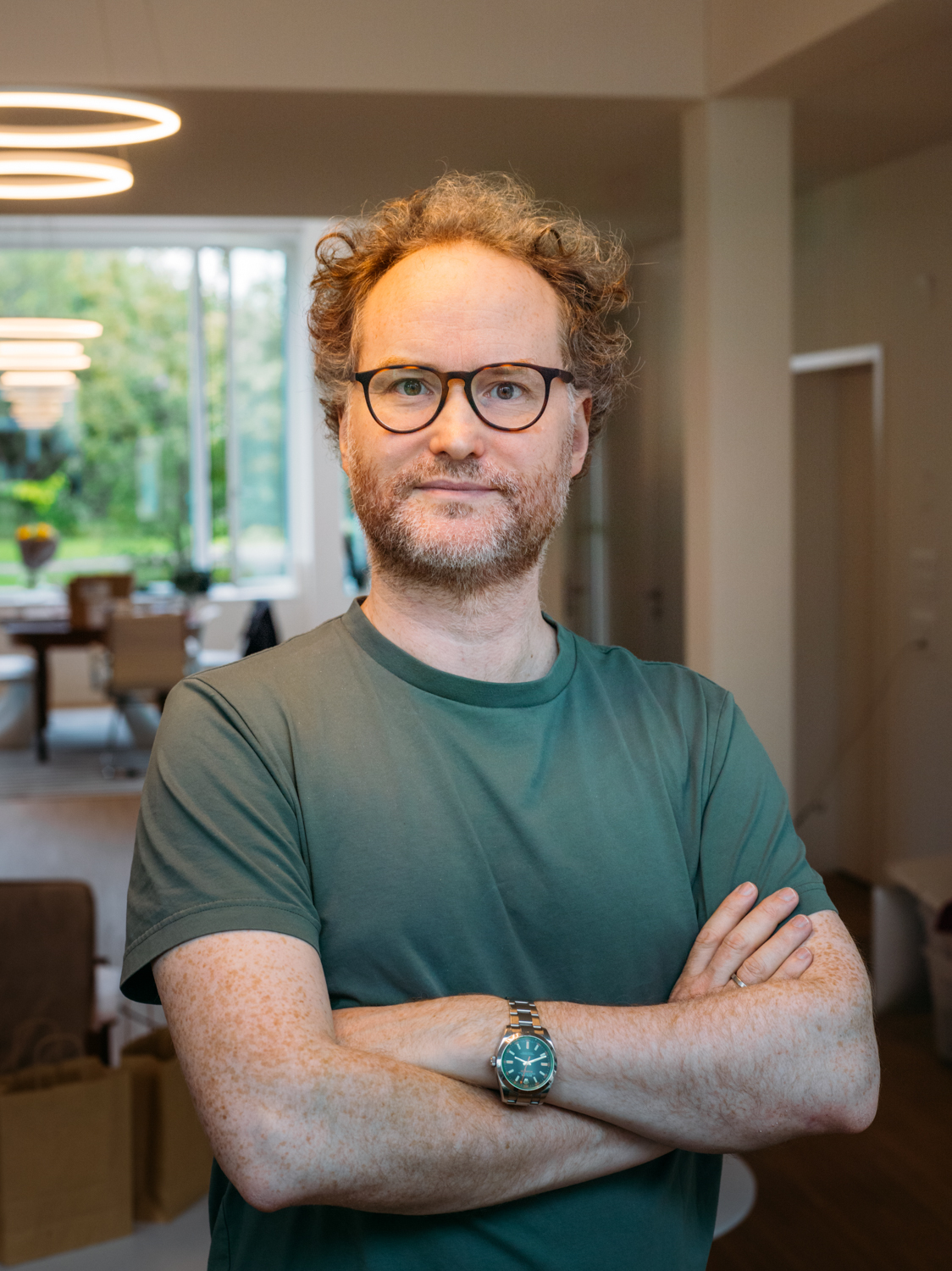
Featured below are the presenters in the BINA Insights and Educational Tools from Industry Series, hosted by the Corporate Partners Working Group – click on their photos to learn more about each speaker.

Follow this link to register to attend any of the talks in the series.

Peter Brunt – October 16, 2024

Jens Küchenmeister, November 20, 2024

George Glekas – January 15, 2025

Louise Bertrand – February 19, 2025

Nicolaas van der Voort – March 19, 2025

Amita Gorur – April 16, 2025

Nikki Bialy – May 21, 2025

Jim Sims- June 18,2025


Bruno Sanguinetti, September 17, 2025

José Manuel Martínez López – October 15, 2026

November 12, 2025 – Jon Daniels

November 12, 2025 – Mike Fussell

February 18, 2026 – Dan Beacham

Peter Brunt – October 16, 2024

Peter Brunt
AVR Optics

Presentation Title: Successful Fluorescence Imaging by Design with Semrock’s Searchlight

Jens Küchenmeister, November 20, 2024

Jens Küchenmeister
ThorLabs

Presentation Title: An introduction to Thorlabs‘ line of educational kits

Abstract: Thorlabs offers a line of educational kits that is geared towards exciting students for the field of optics & photonics. In this presentation, we will have a look at the different kits. We will discuss the different phenomena addressed by the kits as well as their learning goals. Each kit comes with a detailed manual, including theory, setup instructions and sample measurements. The topics cover quantum physics, fundamentals like interferometry and spectroscopy, microscopy, optical tweezers and more. In the talk, we will also offer a sneak-peak at our upcoming educational OCT kit.

George Glekas – January 15, 2025

George Glekas
Evident Scientific

Presentation Title: A Novel Tool to Monitor Microscope Performance

Abstract: Confocal microscopes are complex systems, so maintaining optimal performance can be a challenge. Factors such as fluctuations in laser power, changes in detection sensitivity, and variations in imaging performance can all impact the quality and reproducibility of the results. Here we present a new, automated tool for monitoring microscope performance.

Louise Bertrand – February 19, 2025

Louise Bertrand
Product Performance Manager Widefield, North America

Leica Microsystems, Inc
Facebook, Twitter, LinkedIn, YouTube, Instagram

Presentation Title: Commercial Collaboration in Microscopy Education

Abstract:
Since 1981, private companies have been supporting courses at institutes such as Marine Biological Laboratory and Cold Spring Harbor Laboratory, helping educate young researchers on the fundamentals of microscopy, providing cutting-edge equipment, and staffing courses with in-house experts.

What’s in it for the companies? One main driver is that educated microscopists do more rigorous research, make better choices for equipment, and drive discoveries that impact human health. However, there is an added burden within the company and its responsibility to shareholders, in that it is very difficult to track the return on investment in traditional business metrics.

This presentation will cover the history of course support by commercial entities, difficulties and challenges from the business perspective, and how our company’s innovation and course support evolved together over time.

Nicolaas van der Voort – March 19, 2025

Nicolaas van der Voort
Scientific Volume Imaging

Scientific Volume Imaging
LinkedIn
YouTube
Instagram
Bluesky
X
Mastodon

Presentation Title: The Impact of Image Quality on Reliable and Specific Colocalization Analysis

Abstract:
Colocalization analysis is a well-established method to quantify the extent to which fluorescent signal of two different objects or molecule populations are related. Irrespective of the chosen colocalization approach (correlation, co-occurrence, or object-based), the results are fiercely affected by factors such as image background, noise, crosstalk, chromatic aberration, and the diffraction barrier of the optical microscope.
During this educational sessions, we will use colocalization as the lens through which to consider image quality. This investigation will be aided by the recently launched Huygens image quality control option (QC), of which a free version is available online. The QC option can automatically detect, advise and correct imaging issues.

A high quality image paves the way for an inpactful colocalization analysis. The resolution and optical sectioning of the microscope provide a proximity measure over which colocalization is detected. Refined research questions can be answered using colocalization coefficients for sub-areas of the cell and targeted object-based interrogation of colocalization. Thus this session aims to provide a holistic approach for users and trainers alike.

References:
Pelle et al. 2024, https://doi.org/10.1093/mictod/qaae091

Amita Gorur – April 16, 2025

Amita Gorur
ZEISS Research Microscopy Solutions

LinkedIn
Zeiss YouTube
X
Flickr
Instagram
Facebook

Title: Empowering users: a deep dive into ongoing initiatives at ZEISS Microscopy Customer Center, North America

Abstract:
ZEISS Microscopy Customer Center in Dublin, CA is home to a wide selection of light, electron, and X-ray microscopes, showcasing the latest ZEISS microscopy technology for academic and industry customers. Through a range of educational initiatives—including in-person and virtual training, internships, user meetings, and regular livestreams—we empower users with the knowledge and skills to maximize their microscopy skills.

This session will highlight our SkillBuilder series, a program designed to deepen microscopy expertise through hands-on training, paid workshops, and free learning resources. We’ll share participant feedback, real-world impact on microscopy workflows, and our broader efforts to support scientific discovery and education.

Bio:
Amita has been with ZEISS for 7 years and is responsible for Widefield instruments, Automated Imaging platforms and the Cryo Confocal system at the ZEISS Microscopy Customer Center, Dublin, California. Before ZEISS, Amita was an HHMI Research Specialist at UC Berkeley, continuing her work with her PhD Advisor, Prof Randy Schekman. She utilized CLEM techniques to elucidate collagen containing transport carriers. Amita has authored several publications throughout her career with first-time observations using electron microscopy techniques in the late Dr. Bill Costerton’s lab (a pioneer in Biofilms research). Amita has a Masters in Integrated Biology and holds a PhD in Comparative Biochemistry from University of California, Berkeley.

Nikki Bialy – May 21, 2025

Nikki Bialy
BINA Program Coordinator

Title: MicroscopyDB and BINA-related tools for Dissemination, Collaboration and Professional Development

Abstract: BioImaging North America (BINA) is a bioimaging network organization focused on supporting bioimaging scientist from academia and industry across North America. Through our efforts with MicroscopyDB we’ve developed a resource for broadly disseminating a range of microscopy-related resources to more than 18 other bioimaging network and community organizations supporting imaging scientists in Africa, North & Latin America, UK, Europe, India, Singapore and globally through Global BioImaging. Through this resource academic and industry imaging scientists can share at no cost their events, jobs, training resources and tools/widgets with this broad community via a single form submission, and can search and find similar opportunities being posted by their colleagues from around the world.

This session will highlight the Programs BINA has to offer and the Community Resources, made available through the MicroscopyDB effort.

Bio: Nikki has been with BINA as Program Coordinator since 2021, putting in place the CZI supported Programmatic activities of BINA and setting up the MicroscopyDB pilot effort. Nikki is a PhD Pharmacologist who has worked as a bench researcher in academic and industry settings in Europe and the US for the first ~10 years of her career before transitioning to research management while at the University of Virginia. She has been involved in establishing and/or running operations, for several not for profit efforts (Cell Migration Consortium, Allen Institute for Cell Science, Center for Open Science) before joining BINA.

Jim Sims- June 18,2025  

Jim Sims
Hamamatsu Corporation, Research Camera Product Manager

LinkedIn

Bruno Sanguinetti, September 17, 2025

Bruno Sanguinetti
Dotphoton

LinkedIn

Title: Raw image data: What it really is and how to handle it at scale?

Abstract: Retaining raw, high-quality microscopy data is critical for reproducible research, quantitative analysis, and AI-based workflows. But as imaging pipelines generate increasingly large, high-resolution, multidimensional datasets, research labs and facilities face growing challenges in transferring, processing, sharing, and storing raw data at scale. Is compression a solution? This talk examines what raw image data really is – how it serves as a physical measurement and what’s required to preserve its scientific value. We will explore the limitations of existing image quality metrics (e.g., PSNR) and why updated evaluation methods are needed to meet the demands of modern bioimage analysis. In closing, we will review data management and image compression tools, including one that retains the full integrity of raw microscopy data while significantly reducing file size, making large-scale data easier and faster to work with.

Bio: Dr. Bruno Sanguinetti, co-founder and CEO of Dotphoton, transitioned from years of academic research in quantum optics to leading innovations in quantum cryptography and metrology technologies. His expertise spans cryptographic functions, photonic information processing, sensor characterization, image compression, and image quality assessment, uniquely positioning him to lead the future of Jetraw. Bruno is also a member of the ITU/WHO Focus Group on AI for Health, contributing to AI technology standardisation, and co-chairs the QUAREP-LiMi WG10, focusing on image quality metrics.

José Manuel Martínez López – October 15, 2026

José Manuel Martínez López
Química Tech

Watch on YouTube

LinkedIn

Presentation Title: Microscopy and Art to enhance science communication

Abstract:
In science, a good image provides researchers with valuable information or data, but great images are also visually appealing. We usually generate images with microscopes, which can be as artistic as those produced by “conventional photography.” Microscopists and scientists can not only benefit from the large number of images they create with microscopes in terms of science and experiments, but also explore the artistic potential of their work, opening up a whole new world of creative possibilities.

This talk is not a “how-to” on creating art with a microscope, but more an invitation to all microscopists to expand their vision and consider the emotions a micrograph could spark in the public. This could lead to new opportunities for scientific collaborations, increase the impact of their research, or facilitate science communication.

In this presentation, I will share the stories behind some of the images and videos I have taken with microscopes and how they have become a great example of science communication.

Bio:
I graduated as an electromechanical engineer from Tec de Monterrey in 2000 and earned a master’s in production engineering from the Technische Universität Berlin in 2006. My career began in drive systems design and finite element analysis, noting related with microscopy =). But since 2006, I’ve been working with my sister at our company, Quimica Tech, in Chihuahua, Mexico, where I specialize in microscopy. I often say that my job is about “”playing”” with microscopes and teaching others how to get the most out of theirs. I also manage our social media, including Instagram at @quimica_tech.

I have been honored by esteemed institutions such as the Microscopy Society of America, Royal Microscopy Society, Optica (OSA), BioCommunication Association, the Mexican Society of Microscopy and Microanalysis, and the Royal Society, which have awarded some of my microphotographs. Furthermore, some of my photographs have been displayed in prestigious museums, including the Science & Industry Museum in Manchester, as well as galleries in Lausanne, Zurich, and Bristol.

I have shared my knowledge and expertise globally, conducting talks and microscopy courses in Mexico, the USA, Germany, and India. In 2019, I was granted a patent in Mexico, the USA, and Germany for a device that enables the observation of silicon wafers and their connections within light-emitting diode capsules.

During my college days, I practiced pole vault and decathlon as part of the Mexican national team. Now, during the weekends, I shut down the microscope and go to the Chihuahua desert on my adventure bike searching for rock climbing fun.

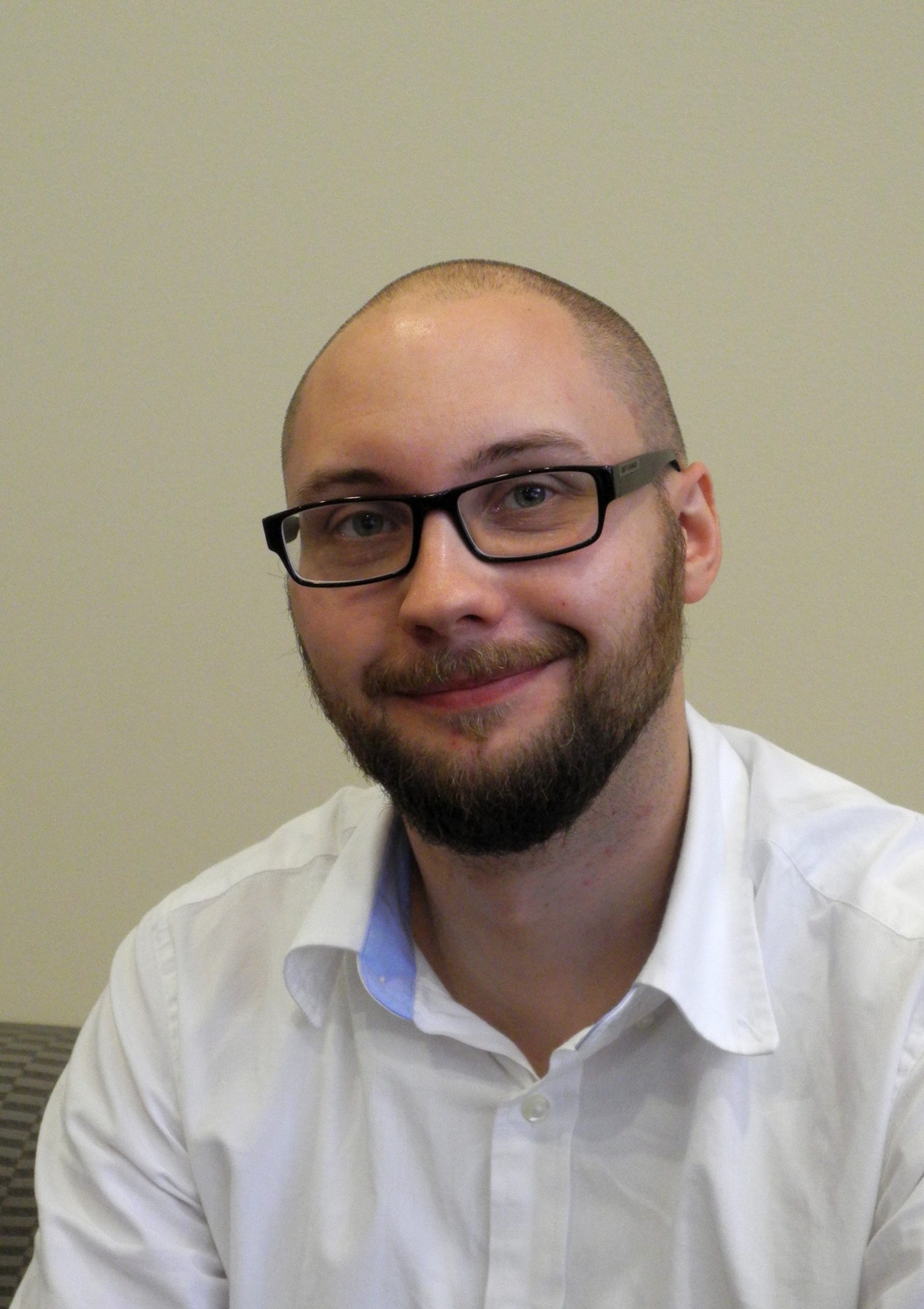
November 12, 2025 – Jon Daniels

Jon Daniels
Senior Engineer, Applied Scientific Instrumentation

LinkedIn

ASI LinkedIn

ASI X

ASI

November 12, 2025 – Mike Fussell

Mike Fussell
Life Science Product Marketing, Zaber Technologies Inc.

LinkedIn

Zaber

Zaber Facebook

February 18, 2026 – Dan Beacham

Dan Beacham,
Senior Staff Scientist, R&D, Protein & Cell Analysis
Thermo Fisher Scientific

LinkedIn

Title: Fluorescent probe development for imaging cellular structure and function in biosciences research

Bio:
As a Senior Staff Scientist at Thermo Fisher Scientific, Dan develops cell-based imaging, high throughput screening and biochemical tools for drug discovery and basic sciences research. Dan holds an undergraduate degree in Chemistry from Willamette University and a Ph.D. in Neurobiology from Oregon Health and Sciences University. He came to the Eugene campus of Thermo Fisher Scientific in 2006 following postdoctoral research at University College London and the University of Washington in Seattle, where he studied molecular mechanisms of ion channel and GPCR control of excitability. Dan’s work at Thermo Fisher Scientific spans the development of toolboxes to interrogate excitability, cell surface target internalization, antibody-drug conjugate biology and metabolic states in disease.

We use cookies on the Bioimaging North America site. See our privacy policy for details.

BINA logo
instagram icon linkedin icon youtube icon slack icon
RRID: SCR_024409
  • About
    • Mission & History
    • Executive Board
    • Partners
    • Sponsors
    • Membership Benefits
    • Working Groups
  • Activities
    • BINA Events
    • Community Events
    • BINA Programs
    • Community Congress
    • Image Contests
    • Awards
  • Programs
    • Outreach Support
    • ATLAS
    • Metrology Suitcase
    • Event Support Program
  • Core Facilities
    • View Core Facilities
    • Submit a Facility
  • Resources
    • BINA Resources
    • Community Resources
    • Training & Education
    • Jobs
    • Tools

© BioImaging North America. All Rights Reserved. Privacy Policy | Terms | Contact us.

This project has been made possible in part by a grant from the Chan Zuckerberg Initiative DAF, an advised fund of Silicon Valley Community Foundation.

Chan Zuckerberg Initiative logo